Commercial Waste in West Wickham

Commercial waste in West Wickham needs a straightforward service that keeps business premises clear, compliant and ready for normal trading. We collect a wide range of non-hazardous commercial refuse from offices, shops, hospitality premises, workshops and mixed-use sites, with practical handling for everyday disposals and occasional bulk clearances. The aim is simple: remove waste in a way that suits the pace of the workplace and leaves the area ready for the next task.
Our work covers routine collections and one-off removals for items such as packaging, broken fittings, general mixed waste, unwanted fixtures and end-of-use materials. Where different waste streams are present, we separate what can be diverted from what needs disposal, and we plan collections so that the process stays orderly. If you need commercial waste removal in West Wickham, the service is built around practical collection rather than disruption.
For a quotation, the most useful starting point is a clear description of the materials, the volume involved and how the waste is stored or stacked. A short list is often enough, and if there are awkward access points or heavier items, that helps us shape the collection properly. You can also prepare a brief note of anything that must be handled separately, which keeps the enquiry concise and useful.
Business premises waste handled with care
Commercial premises generate very different waste profiles, so the collection method needs to match the setting. A retail unit may produce cardboard, shrink wrap, damaged display materials and packaging from deliveries. An office might need removal of redundant furniture, archives, packaging and small fixtures. Food and hospitality sites often have a different mix again, with bagged refuse, disposable service items and worn equipment. The service is arranged to deal with those variations in a sensible way, not as one generic load.
We can help with scheduled or occasional collections where waste has accumulated beyond what a standard bin arrangement comfortably handles. That includes bulky office disposals, stockroom clear-outs, and the removal of items that no longer belong on the premises. Where the collection is likely to involve more than one type of material, the work is easiest when the waste is grouped in advance. Clear access and clear separation make the collection more efficient, especially where the load includes both loose and bulky waste.
Office waste and workplace clear-outs

Office waste removal is often about creating usable space without disturbing the working day more than necessary. We handle desks, chairs, shelving, filing units, mixed office rubbish and other items that are no longer required. The collection can support refurbishments, relocations and periodic tidying, as well as the removal of accumulated waste from stores, meeting rooms and back-office areas. It is a practical service for premises that need more than ordinary bin emptying.
In some offices, the main issue is not volume alone but the mixture of different waste types. Paper, cardboard, plastics, packaging and old equipment can all build up together, and then the clearance has to be organised carefully. When equipment is involved, the collection should always reflect any special handling needs that apply. If a room contains several categories of waste, a simple breakdown in advance helps us plan the right approach and avoid unnecessary handling on site.
When asking for a quotation, it is useful to mention whether items are on one floor or several, whether there is lift access, and whether any furniture must be dismantled before removal. These points do not need a long explanation. A compact message with the key details is usually enough. If you are comparing timing, remember that a good commercial clearance is not only about speed; it is also about choosing a method that fits the building and the materials.
How collections are organised
Most commercial waste jobs are easier when the load is described clearly from the outset. The main factors are the type of material, the quantity involved, the level of access and whether anything needs separating before removal. A workplace that produces mostly light bagged rubbish will need a different plan from a premises clearing heavy fixtures or mixed stored items. That is why the quotation stage should focus on what is actually present rather than broad labels.
A useful way to prepare is to note the waste in simple groups. For example:
- bagged rubbish and loose general waste
- cardboard, packaging and other dry recyclables
- furniture, shelving and other bulky items
- equipment or fittings that may need special handling
- mixed materials stored in back rooms, cupboards or yards
That kind of summary makes it easier to arrange a collection that is proportionate to the job. If you already have items grouped together, mention that too. It can reduce confusion on site and helps the collection move steadily. If not, the service can still be arranged on the basis of a clear description, though a little preparation generally makes the work more straightforward.
Bulky items, fixtures and clearance work

Commercial waste is not always limited to sacks or loose rubbish. Businesses often need the removal of bulky items such as shelving, counters, cupboards, storage units, reception furniture and similar fixtures. These items may be redundant after a layout change or no longer suitable for the way the premises now operates. A collection service for bulky waste needs to account for size, weight and access rather than relying on a one-size-fits-all approach.
Where furniture or fittings are involved, the work is usually best planned around the route out of the building and any obstacles that may be present. Narrow corridors, stairs, loading bays and shared access points all affect how the job is handled. It may also be necessary to separate reusable or recyclable materials from mixed refuse. That makes the process more orderly and avoids treating every item as if it were identical. Practical preparation is usually more helpful than a long checklist.
Our service can suit landlords, managing agents, tenants and business owners who need items removed at the end of a tenancy, after a rearrangement or following a general tidy-up. If a site has a specific order of works, say so in your enquiry. For example, there may be items that need to stay until a later date, or materials that have to be removed before cleaners or decorators can begin. Simple sequencing details are often enough.
About West Wickham
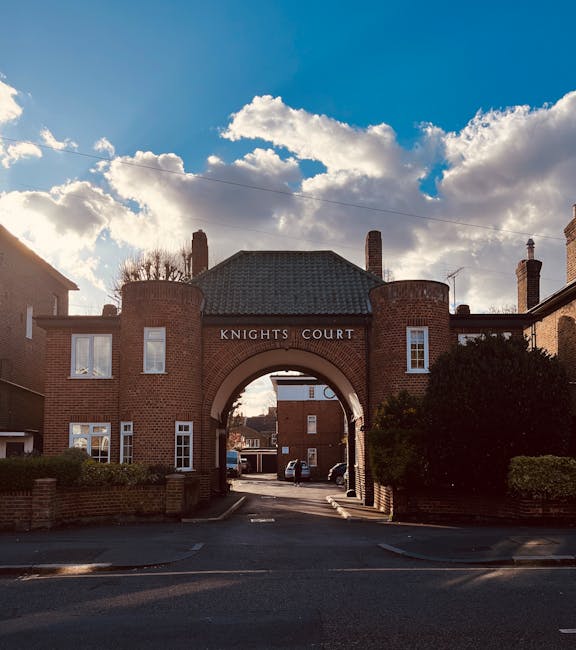
West Wickham is a suburban district in the London Borough of Bromley, in south-east London, and its character reflects a long transition from rural settlement to commuter suburb. The area sits around the historic route of West Wickham High Street and the surrounding residential roads, with its parish roots stretching back many centuries. The present-day streetscape combines older building forms with later suburban development, so the place has a layered appearance rather than a single uniform style. Churches, local shops and community facilities sit alongside housing from different periods, creating a settled and lived-in centre. West Wickham railway station, opened in the nineteenth century, remains an important part of the district’s identity, linking it to wider parts of London and helping shape the pattern of daily movement. The area is also close to open green spaces associated with the upper reaches of the River Ravensbourne, including the public landscape of West Wickham Common and the nearby nature and recreation land that gives the district some breathing room between built-up sections. Historic references to the area appear in local church records and in older estate and parish histories, while the modern district is now closely tied to Bromley’s suburban edge. Architecture ranges from older cottages and converted premises near the centre to interwar and later housing on the surrounding roads, so the built environment tells a story of gradual expansion rather than rapid replacement. That mix of old and new gives West Wickham a practical, residential feel with a recognisable local centre and a wider network of everyday amenities.
Recycling, sorting and disposal routes

Commercial collections are most effective when the waste is sorted in a way that matches its likely disposal route. Cardboard, metal, wood, plastics and mixed refuse do not always move through the same channel, and not every item should be treated in the same way. A sensible service looks at what can be separated, what needs to remain mixed and what should be handled apart because of condition or composition. That helps keep the disposal process as tidy as possible.
If your premises generates recurring waste from deliveries, stock handling or packaging, it may be sensible to treat the material in regular categories rather than waiting until it becomes a single large pile. This is especially useful in storage areas, back-of-house spaces and workshop environments where different items build up at different speeds. The service can therefore support both one-off clearances and the more practical routine removal of accumulated waste where that is needed. Keeping recyclable material separate where possible is often a simple way to make the collection more efficient.
Where a quotation is requested, the answer is usually clearer if the enquiry states whether the waste is loose, bagged, stacked or already boxed. Those details affect the handling time and the collection method, even when the overall load looks similar at first glance. If there are items that should not be mixed with the rest, mention them before the visit is arranged. That avoids confusion and keeps the scope of the job accurate.
Office, retail and trade settings
Different business environments produce different kinds of waste, and commercial waste collection needs to reflect that. Retail sites often need packaging, point-of-sale materials and worn display items removed. Offices may generate paper waste, furniture and general mixed rubbish. Trade and workshop settings can involve timber offcuts, offcuts of packaging, old fittings and a range of non-hazardous waste from day-to-day activity. The collection should fit the setting rather than forcing every premises into the same model.
Some sites also need waste taken away alongside a wider change in layout or operations. In that situation, the key question is usually not just what is being removed but how the space needs to be left once the job is complete. A premises being readied for new stock, a refit or a handover may need more careful clearance of edges, corners and awkward storage areas. If the waste is part of a larger sequence of works, say so clearly so the collection can be organised in the right order.
Health, safety and access considerations

Commercial waste removal should always take account of access and handling conditions. Some premises have shared entrances, narrow stairwells, loading restrictions or areas where items must be carried a longer distance to reach the collection point. Others may include heavier objects that need two-person handling or careful movement around fixtures that remain in place. These factors are normal parts of the planning process and they matter just as much as the waste itself.
It is also useful to think about where the materials are currently located. Waste left in a basement, a rear yard, an upper floor or a locked room can all influence how the job is arranged. If there are risks from sharp edges, broken components or unstable stacking, mention them in the enquiry so the collection can be planned sensibly. A careful approach is not about making the job sound complicated; it is about making sure the removal is practical and appropriately controlled.
If you are ready to move forward, send a brief description of the waste and the premises layout, and request a quotation for the collection. We will use the information to match the service to the job rather than pushing a generic arrangement. Commercial waste in West Wickham is best handled in a way that is accurate, manageable and suited to the materials on site.
What to include in an enquiry
A good quotation request does not need a long narrative. The most useful details are the type of waste, the approximate amount and the location from which it needs to be removed. If there are any items that are especially bulky, awkward or mixed with other materials, add that as well. This gives a much clearer picture than a vague description and helps avoid delays in setting up the collection.
Where possible, include whether the waste is ready to go, whether it still needs separating and whether there are any time constraints linked to trading hours or other site activity. Those points are often enough to shape the service properly. If you have one-off items alongside a larger general clearance, mention them together so the scope is not split unnecessarily. Keep the message concise, and request a quotation once the main facts are listed.
For many businesses, the best next step is simply to choose a convenient time and give a clear summary of the waste present. That is usually more effective than trying to describe every individual item in detail. If you need the collection arranged, ask for a quotation now and we can respond to the specifics you provide.
Commercial waste collections arranged to suit the job
Commercial waste removal is most useful when it is responsive to the type of premises and the sort of waste being produced. That may mean a single clear-out, a recurring collection or the removal of bulky items that have built up over time. The purpose is always the same: to take away unwanted materials in a controlled, practical way so the premises can continue to function properly. A well-planned collection avoids unnecessary handling and helps keep the job focused on what matters.
Where there are multiple waste types, the collection should reflect the differences between them rather than assuming every item is disposable in the same way. This is especially true in workplaces with stockrooms, storage areas or back-of-house spaces where a variety of materials may be waiting for removal. If you need support with commercial waste in West Wickham, the clearest route is to describe the materials, note any access issues and ask for a quotation based on the actual load.
To begin, send the details that best describe the waste and the site, then request a quotation in plain language. If the enquiry is clear, the arrangement can usually be made more efficiently and with fewer follow-up questions. For a direct response, ask for your quotation now.